
Vancouver, British Columbia--(Newsfile Corp. - March 3, 2026) - LaFleur Minerals Inc. (CSE: LFLR) (OTCQB: LFLRF) (FSE: 3WK0) ("LaFleur Minerals" or the "Company") is pleased to announce the results of its Preliminary Economic Assessment ("PEA") for the proposed development of the Swanson Gold Deposit and existing mining lease ("Swanson Project" or the "Project"), confirming a technically straightforward, capital efficient project with significant economic returns. The PEA study was completed by independent global mining, environmental, and sustainability firm Environmental Resources Management ("ERM") Technical Mining Services Group and highlights the significant advantage of leveraging the Company's 100%-owned and refurbished Beacon Gold Mill, an existing C$49 million asset with a proven operating history and a permitted tailings storage facility (TSF) located only 20 kilometres east of the city of Val-d'Or, Québec, with direct access to CN railway infrastructure (Figure 1).
The PEA demonstrates strong resilience by applying a US$2,750/oz gold price for the base case and maintaining leverage to current spot gold prices (~US$5,300/oz) and market conditions. The Project delivers compelling economics with an after-tax IRR of 65% and C$101 million NPV (5%) and an all-in sustaining cost (1AISC) of US$1,569/oz gold.
The PEA confirms a robust business case that is cost-effective, low-complexity, and highlights a streamlined path to production leveraging LaFleur Minerals' fully permitted and wholly-owned Beacon Gold Mill, located in trucking distance from the Swanson Project. The PEA delineates strong free cash flow generation through a staged mill expansion to 1,250 tonnes per day (tpd), expected to materially lower operating costs through economies of scale. With a strategic rail-linked mine-to-mill model over the long-term, the Project demonstrates a low-capex, rapid payback, high return profile with significant leverage to rising gold prices, which combined with a meaningful increase in the Swanson Gold Deposit's Mineral Resource Estimate (MRE) that supports a seven-year mine life, further bolstering operational resilience.
PEA HIGHLIGHTS
(All figures are in Canadian Dollars unless otherwise noted)
Compelling PEA Economics with Significant Returns at US$2,750/oz Gold (Base Case)
Initial capital cost of C$31 million at the Swanson Gold Deposit and Beacon Gold Mill including ongoing restart and recommissioning work.
After-tax IRR of 65% and C$101 million NPV (5%), and a 1.8-year payback.
Industry competitive 1AISC of US$1,569/oz demonstrates profitability even at lower gold prices.
Updated 2026 Mineral Resource Estimate (MRE) with 30% Increase in Indicated Mineral Resources
The updated 2026 MRE for the Swanson Gold Deposit includes an Indicated Mineral Resource of 2.96 Mt at 1.69 g/t Au for 160.3 koz of contained gold (combined open-pit and underground) and an Inferred Mineral Resource of 1.08 Mt at 1.93 g/t Au for 66.8 koz of contained gold (combined open pit and underground).
A 30% increase in Indicated Mineral Resources ounces compared to the 2024 MRE, due to updated cut-off grades (COG) of 0.5 g/t Au using an open pit shell and 1.85 g/t Au using underground MSO shapes.
Historical drilling data was validated by a program of 12 diamond drill holes completed by LaFleur Minerals in December 2025, which support the continuity and geological model used in the updated 2026 MRE.
The 2026 MRE does not incorporate the positive results of the recently released diamond drill holes (refer to February 4, 2026 press release).
Increased Feed Rate at Beacon Gold Mill to 1,250 tpd Improving Economies of Scale
Increasing the Beacon Gold Mill's base case capacity to 1,250 tonnes per day (tpd) from its current 750 tpd capacity through the installation of a three-stage crushing circuit followed by a rod, ball, and stirred mill for additional grinding. This would represent a major step-change in throughput costing an estimated C$15 million in upgrades. The 750 tpd mill capacity would be upgraded in a step-wise manner to 1,250 tpd to match the mine output.
Additional capital estimated at C$175 million could bring the mill from 1,250 tpd to 3,000 tpd or higher. ERM recommends that if additional mill feed is secured by LaFleur Minerals, a parallel mineral processing circuit of 3,000 tpd or higher could be added to the Beacon Gold Mill to match the secured additional feed from other mining projects. These expansion scenarios have not been evaluated in the current PEA and would be subject to separate technical and economic studies.
Equipment suppliers, such as Bumigene Inc and others have already been engaged to support flowsheet optimization and finalize the upgraded plant design to 1,250 tpd. While the expanded configuration will require minimal additional labour, the higher-throughput equipment is expected to significantly improve productivity and reduce operating costs. Historically operating at about C$42/t, the Beacon Gold Mill is forecast to benefit from economies of scale, lowering operating costs to approximately C$28/t with the increased feed rate.
Direct Mine-to-Mill Model: Swanson Gold Deposit to Beacon Gold Mill Directly Linked by CN Rail Track, Delivering a Major Logistics Advantage Compared to Other Gold Mining Projects in the Region
Utilizing the existing Canadian National (CN) railway track, which passes both, directly through the Swanson Gold Project and next to the Beacon Gold Mill, provides a clear logistical and cost advantage for a larger mining operation, with an estimated rail transport cost of approximately C$5/t compared with C$15/t for regional trucking as reviewed in a recent trade-off study.
Rail transportation of mineralized material also offers a lower-carbon, community-safe, and operationally efficient method for moving mill feed. Mineralized material from the Swanson Gold Deposit could be loaded onto a dedicated, nearby rail spur and integrated into an existing manifest train already operating through the site, reducing diesel trucking requirements, limiting road traffic exposure, and enhancing overall environmental performance.
Infrastructure Advantages and Proximity to Val-d'Or Enables a Capital-Efficient Owner-Contractor Operation
- The Swanson Gold Deposit and the Beacon Gold Mill are both in very close proximity to Val-d'Or, a predominant mining camp, and surrounding communities, enabling a practical drive-in/drive-out workforce and eliminating the need for costly camp facilities or remote-site infrastructure and logistics. Swanson is easily accessed via an existing gravel road connected to the provincial highway network and benefits from year-round, all-weather access, allowing operations to be supported directly from the region's well-established mining service hub. This location provides increased availability of skilled trades, contractors, and equipment suppliers, allowing the Project to rely on existing contractor equipment fleets rather than purchasing a complete owner fleet, significantly reducing upfront capital requirements, while improving operational flexibility and maintenance response times.
Cautionary Statement on Preliminary Economic Assessment Results
The Swanson Gold Deposit is an advanced-stage property with Mineral Resources and indicates potential economic viability based on the assumptions outlined in the PEA. This news release provides a summary of key scientific and technical work and data verification, with full details to be available in a technical report reporting the PEA results in accordance with National Instrument 43-101 ("NI 43-101") and filed on the Company's SEDAR+ profile within 45 days. The PEA is preliminary in nature and includes Inferred Mineral Resources that are considered too speculative geologically to have economic considerations applied to them that would enable them to be categorized as mineral reserves. There is no certainty that the PEA will be realized.
Paul Ténière, CEO of LaFleur Minerals, commented, "The results of this positive PEA indicate a capital-efficient development pathway for the Swanson Gold Deposit that leverages our nearby Beacon Mill and established infrastructure in the Val-d'Or mining district. With a modest initial capital requirement and mill upgrades and strong projected returns at a US$2,750 per ounce base-case gold price, we believe Swanson has the potential to evolve into a competitive and short-term gold development project within the Abitibi Gold Belt. Our focus now shifts to continued technical optimization, metallurgical and bulk sample validation, and permitting advancement as we evaluate the next phase of growth and progress toward restarting the Beacon Mill in 2026."
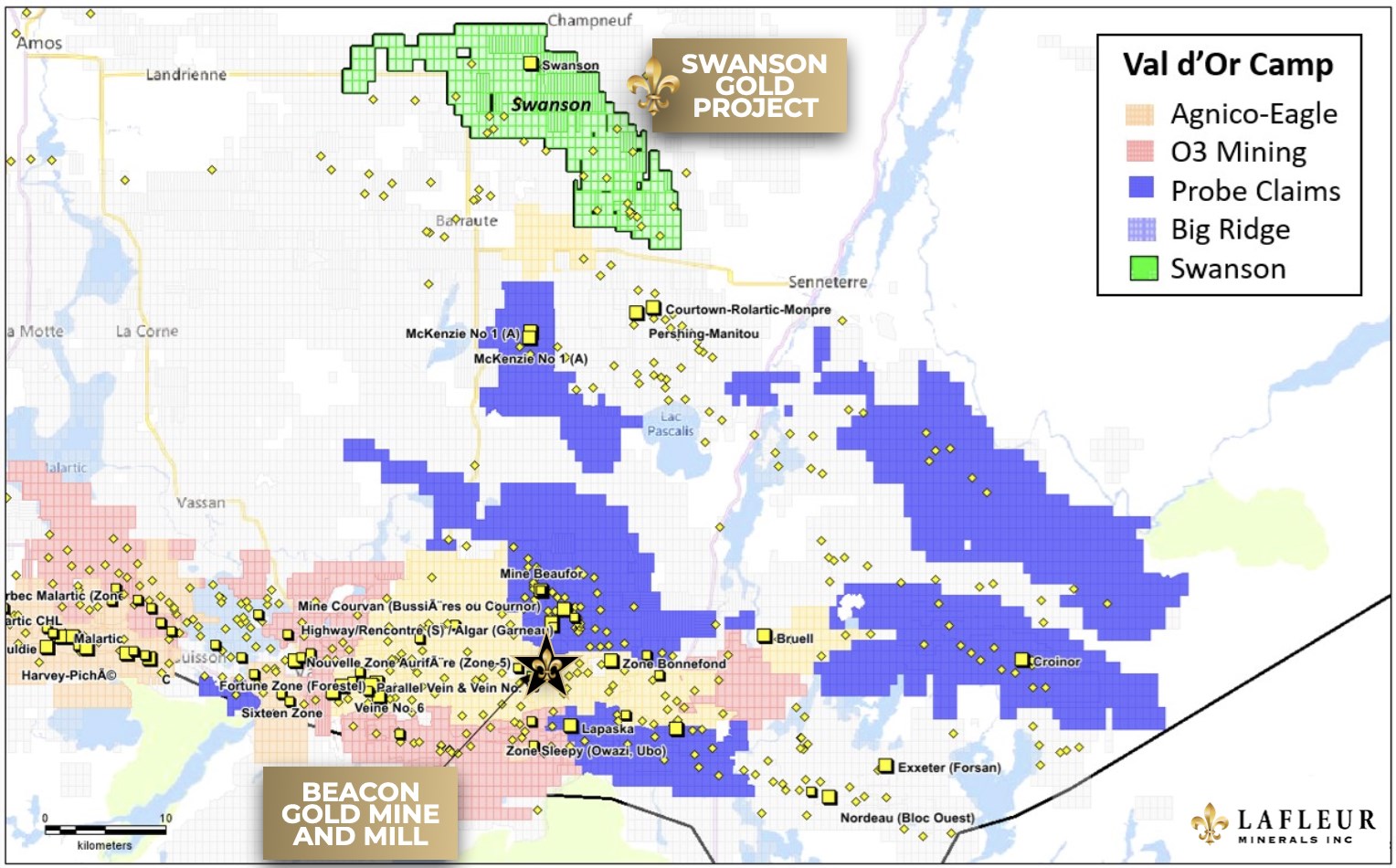
Figure 1: Regional View of LaFleur's Beacon Gold Mill and Swanson Gold Project
To view an enhanced version of this graphic, please visit:
https://images.newsfilecorp.com/files/6526/286072_ac07e496a4634b89_001full.jpg
The PEA has an effective date of February 23, 2026. The economic analysis was completed using an AACE Class 4 capital estimate with an expected accuracy range of ±30-40%. No Mineral Reserves have been declared for the Swanson Gold Project. The PEA includes Inferred Mineral Resources and should not be considered a Pre-Feasibility or Feasibility Study.
FREE CASH FLOW MODEL AND PROJECT COSTS
Free Cash Flow Generated in PEA at 1,250 tpd Base Case
- The free cash flow model is based on a staged mill ramp-up from 750 tpd in Year 1, to 1,000 tpd in Year 2, reaching 1,250 tpd by Year 3. The Project generates positive cumulative free cash flow early in the mine life, which continues to build steadily, reaching approximately C$188 million by Year 8, after accounting for mine closure activities of roughly C$10 million beginning in Year 7 (Figure 2).
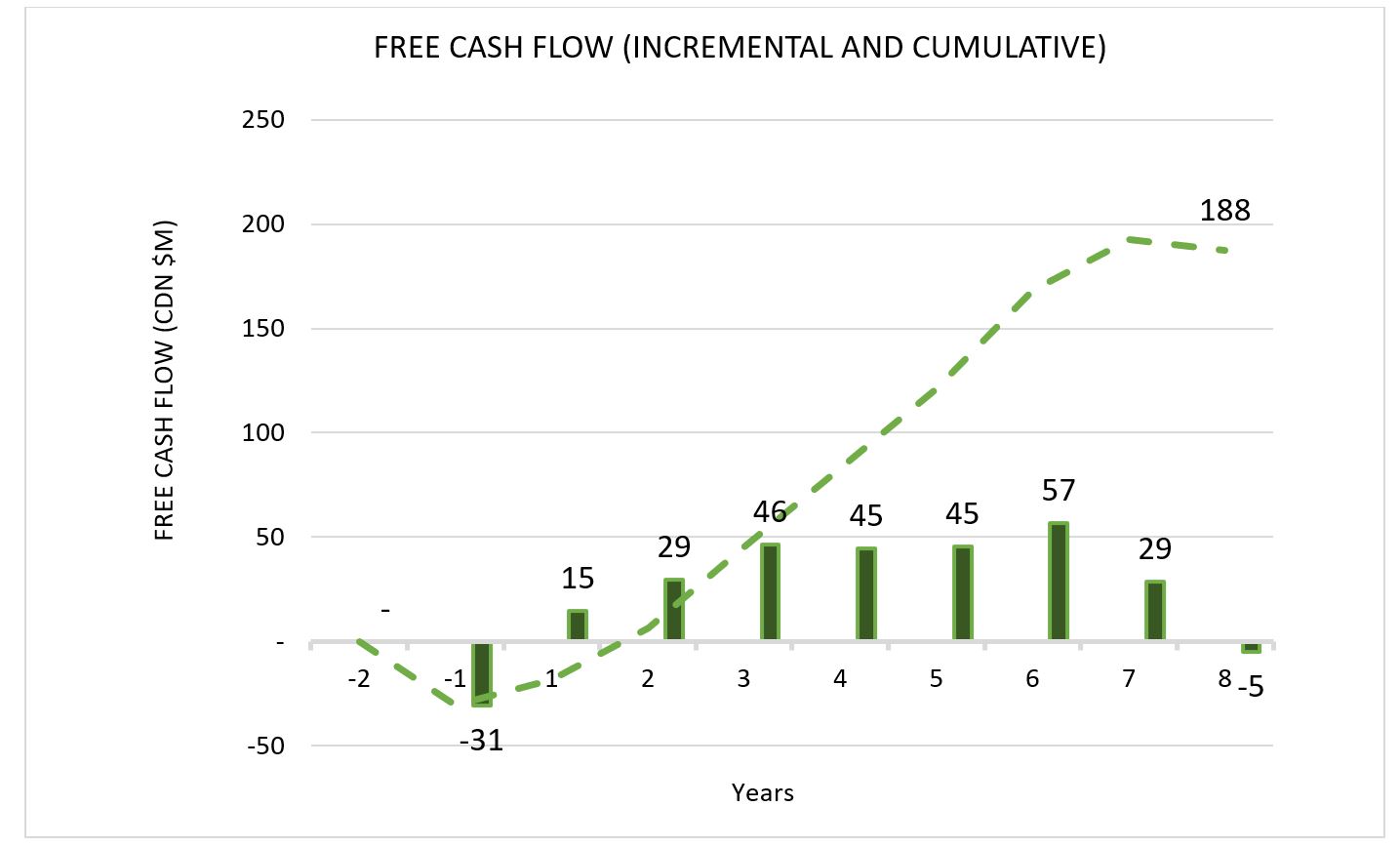
Figure 2: Free Cash Flow (Incremental and Cumulative)
To view an enhanced version of this graphic, please visit:
https://images.newsfilecorp.com/files/6526/286072_figure2.jpg
- Project Costs - Total capital costs are estimated at C$31 million including the 1,250 tpd mill upgrade, with an additional C$10 million in sustaining capital over the projected seven-year mine life at Swanson. Operating costs total C$166 million, supported by detailed assessments of labour, equipment, consumables, and materials, and include reclamation activities in years 7 and 8 (Table 1).
Table 1: Capital, Sustaining, and Operating Costs
| Category | Capital Costs | Operating Costs |
| (name) | ($CDN millions) | ($CDN millions) |
| Open Pit Mining | $2 | $58 |
| Rail | $2 | $13 |
| Mineral Processing | $15 | $56 |
| Power, Electrical and Instrumentation | $4 | $6 |
| Site Infrastructure and Support Services | $2 | $6 |
| Water Management Systems | $1 | $4 |
| Tailings and Mine Waste Management Facilities | $1 | $6 |
| Reclamation and Closure | - | $10 |
| Owners Costs | $4 | $8 |
| Total | $31 | $166 |
| Sustaining Capital | $10 |
- Capital Costs - Total capital costs are estimated at C$31 million. These capital cost estimates align with AACE Class 4 estimate and incorporate a 15% contingency where appropriate. The capital estimate includes owner's costs for temporary facilities, insurance, freight, spare parts, and commissioning.
- Sustaining Capital - Sustaining capital totals C$10 million over the seven-year mine life. These costs cover the tailings facility upgrade as well as major equipment replacements and component renewals required during operations.
- Operating Costs - Operating costs over the seven-year mine life are estimated at C$166 million. These operating costs are supported by detailed assessments of labour, equipment, consumables, materials, and include mine reclamation activities, in years 7 and 8 which are incorporated directly into operating costs. The operating costs can be represented in $/tonne feed (Table 2).
Table 2: Operating Costs per tonne feed
| Category | Operating Costs |
| (name) | ($CDN/tonne feed) |
| Mining | $25 ($2.9/tonne mined) |
| Rail | $5 |
| Milling | $28 |
| Reclamation | $4 |
| G&A | $3 |
| Total | $65 |
2026 UPDATED MINERAL RESOURCE ESTIMATE
The PEA is supported by an updated MRE (2026 MRE) for the Swanson Gold Deposit completed in accordance with CIM Definition Standards for Mineral Resources and Mineral Reserves (May 2014) and NI 43-101 (Table 3).
The 2026 MRE includes an Indicated Mineral Resource of 2.96 Mt at 1.69 g/t Au for a total of 160 koz of contained gold, comprising 2.74 Mt at 1.62 g/t Au (142.5 koz) in open-pit configuration and 221 kt at 2.51 g/t Au (17.8 koz) in underground stope (MSO) shapes. The Inferred Mineral Resource includes 1.08 Mt at 1.93 g/t Au for a total of 66.8 koz of contained gold, including 854 kt at 1.75 g/t Au (48 koz) in open-pit areas and 225 kt at 2.60 g/t Au (18.8 koz) in underground extensions (Table 3).
All resources are reported in situ, undiluted, within Zone 1-4 lithologies, and exclusive of mineral reserves, with contained ounces calculated using the standard conversion factor (tonnes × grade × 0.032151).
Table 3: 2026 Updated MRE for the Swanson Gold Deposit (Effective date February 23, 2026)
| Resource Classification | Mining Method | Tonnes (kt) | Au Grade (g/t) | Contained Au (koz) |
| Indicated | Open Pit | 2,735 | 1.62 | 142.5 |
| Underground | 221 | 2.51 | 17.8 | |
| Total Indicated Resources | 2,956 | 1.69 | 160.3 | |
| Inferred | Open Pit | 854 | 1.75 | 48.0 |
| Underground | 225 | 2.60 | 18.8 | |
| Total Inferred Resources | 1,079 | 1.93 | 66.8 | |
MRE Statement Notes:
Mineral Resources are reported in situ, undiluted, Zone 1 - 4 lithologies and exclusive of Mineral Reserves.
Density Values of 2.9 tonnes/m3 were assigned where no density in the block model.
The resource above has had an open pit shell and underground stope shapes applied and has Reasonable Prospects for Eventual Economic Extraction (RPEEE).
The Qualified Person (QP) that assessed RPEEE is James Gardner, P.Eng. (OIQ).
Mineral resources are not mineral reserves as they do not have demonstrated economic viability.
The open-pit material RPEEE considers all blocks that may generate revenue, even at a small amount in the ultimate pit shell (revenue factor 100), generated using Datamine NPVS. This is not the optimized pit shell that maximizes NPV. The physical constraints that the Lerch Grossman algorithm uses are
Rock wall angles of 18° overburden and 45° wall angle.
(Lerchs-Grossmann algorithm) stripping ratio and the cost of waste blocks above the required amount to mine the mineralized, making a decision on each block and its unique economics.
Revenue, Costs, Recovery, and Dilution applied to blocks:
Blocks within the ultimate pit shell had a cut-off-grade COG of 0.5 g/t applied, as shown in the equation below:

The cut-off grade applied for RPEEE is the operational grade, which reflects the sunk mining cost of material once in a truck and is the grade at which operations should direct material to a low-grade stockpile, the mill, and keep it out of a waste rock dump. Factors used in the above equation are:
Sales price of gold of US$2,500/oz converted to ($/g) minus selling costs, USD/CAD exchange rate of 1.4.
Recovery of 90% mining and 84% milling (%).
Costs of $40/tonne: comprising $5/t transport, $28/t processing, $4/t reclamation, and $3/t G&A.
The Underground resources RPEEE were defined using Datamine's Mineable Shape Optimiser (MSO), which uses an operational cut-off grade and includes assumed operating development costs. At the time of the study, there was not yet enough material underground to warrant inclusion in the PEA's economic assessment. The physical dimensions of the generated stopes are as follows, with a minimum thickness of 5m applied, which relates to mining costs.
5 metres thick, 20-m height and 20-m along strike.
The COG calculation was based on a minimum thickness of 5 m for a high-productivity stope using modern equipment. This is not the same as the minimum minable thickness, which is 8ft for high grade deposits and handheld equipment. It is also based on observations about the geologically wireframed geometry of the deposit and what was known at the time of the study. A longhole open stoping, retreat or transverse method was selected. The COG formula above was used with the following assumptions:
Sales price of gold of US$2,500/oz converted to ($/g) minus selling costs, USD/CAD exchange rate of 1.4.
Recovery of 85% mining and 84% milling.
Costs of $147/tonne: comprising $5/t transport, $28/t processing, $4/t reclamation, and $5/t G&A and $105/t mining for longhole.
- The QPs are not aware of any known environmental, permitting, legal, title-related, taxation, socio-political, or marketing issues or any other relevant issue not reported in the Technical Report that could materially affect the Mineral Resources Estimate.
OPEN-PIT MINE PLAN
A Val-d'Or-based contracting company would operate the Swanson Project, which the Company's technical and management team would manage. The operation would use a conventional surface mining method with diesel front-end loaders, three 100-tonne haul trucks, two rotary drills, a bulldozer, an explosives truck, and mine support equipment. The production rate would sustain mill feed at 1,250 tonnes per day or 440,000 tonnes per year.
The production schedule is projected at 7 years and shows overburden removal in Year -1 and the gradual ramp up aligned with the mill (Y1-Y3). The average stripping ratio is 7.7 for the life of mine, the average grade each year is labelled in g/t in Figure 3. Annual payable gold ounces by resource category is shown in Figure 4.
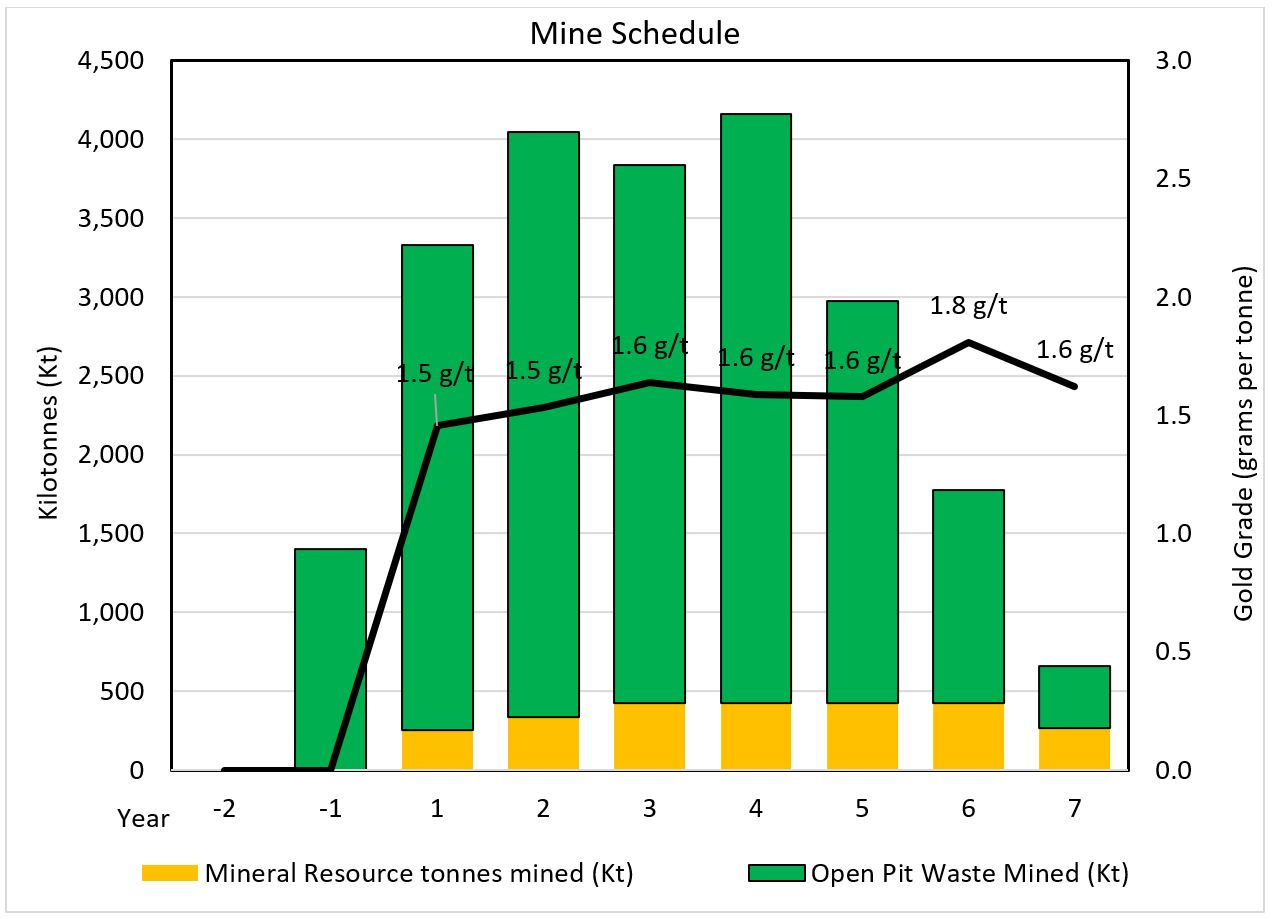
Figure 3: Mine Schedule
To view an enhanced version of this graphic, please visit:
https://images.newsfilecorp.com/files/6526/286072_figure3.jpg
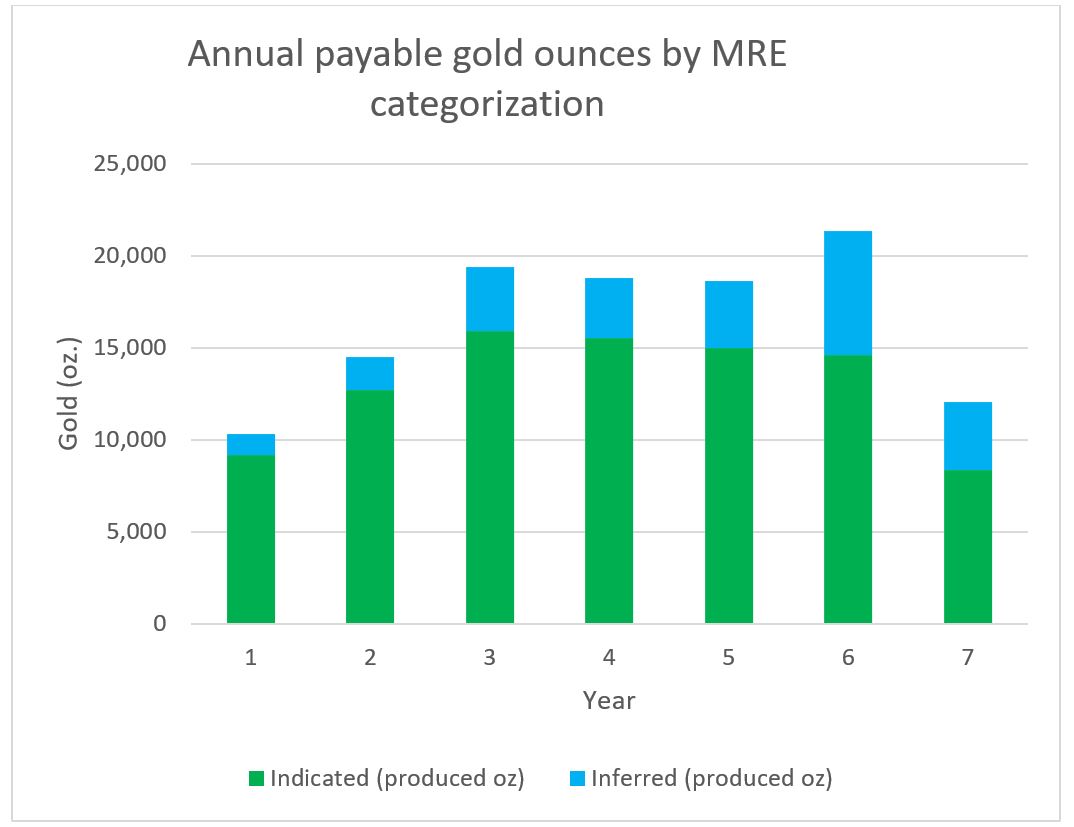
Figure 4: Annual payable gold ounces by MRE categorization
To view an enhanced version of this graphic, please visit:
https://images.newsfilecorp.com/files/6526/286072_figure%204.jpg
METALLURGY & PROCESSING
The planned processing upgrades at the 100%-owned Beacon Gold Mill, including installation of a three-stage crushing circuit followed by rod, ball, and stirred milling, are designed to increase throughput to 1,250 tpd. By expanding capacity through enhancements to existing infrastructure and within current permit conditions, the Project maintains a low-capital efficient pathway to development without needing to increase the installed hydro-electric power of 4 MW currently onsite.
Gold recovery is currently estimated at 84% based on metallurgical testwork completed by Agnico Eagle on the Swanson Gold Deposit in 2009. ERM is advancing the updated 1,250 tpd flowsheet through engagement with Bumigeme and third-party local equipment suppliers. Representative samples, totalling approximately 400 kg from the recent diamond drilling program from the Swanson Gold Deposit have been submitted to SGS Canada for metallurgical testing. The metallurgical program is focused on validating the proposed circuit configuration, optimizing the upgraded flowsheet, and refining the expected gold recovery for the enhanced design.
ECONOMIC SENSITIVITY
The PEA shows robust economics using a gold price of US$2,750/oz resulting in an after-tax NPV (5%) of C$101M, a 65% IRR, and a 1.8-year payback supported by a Class 4 ACCE estimate. The Project is further enhanced by detailed Bumigeme mill-upgrade estimates based on the current mill restart project that improve confidence to roughly ±30-40%.
To assess the Project's economic sensitivity to changes in CAPEX, OPEX, exchange rate, and gold price, the Swanson Project's NPV sensitivity to these factors, expressed as a percentage of the base case, is shown in the graph below (Figure 5). The spider chart illustrates how variations in these cost and price parameters, expressed as percentage changes from the base case used in the PEA, impact the Project's after-tax NPV (5%). This sensitivity analysis is essential, as changes to the estimates used at the time of this release may occur over time. A gold price sensitivity range of US $1,925/oz to US $5,000/oz has been applied, reflecting the current spot gold price.
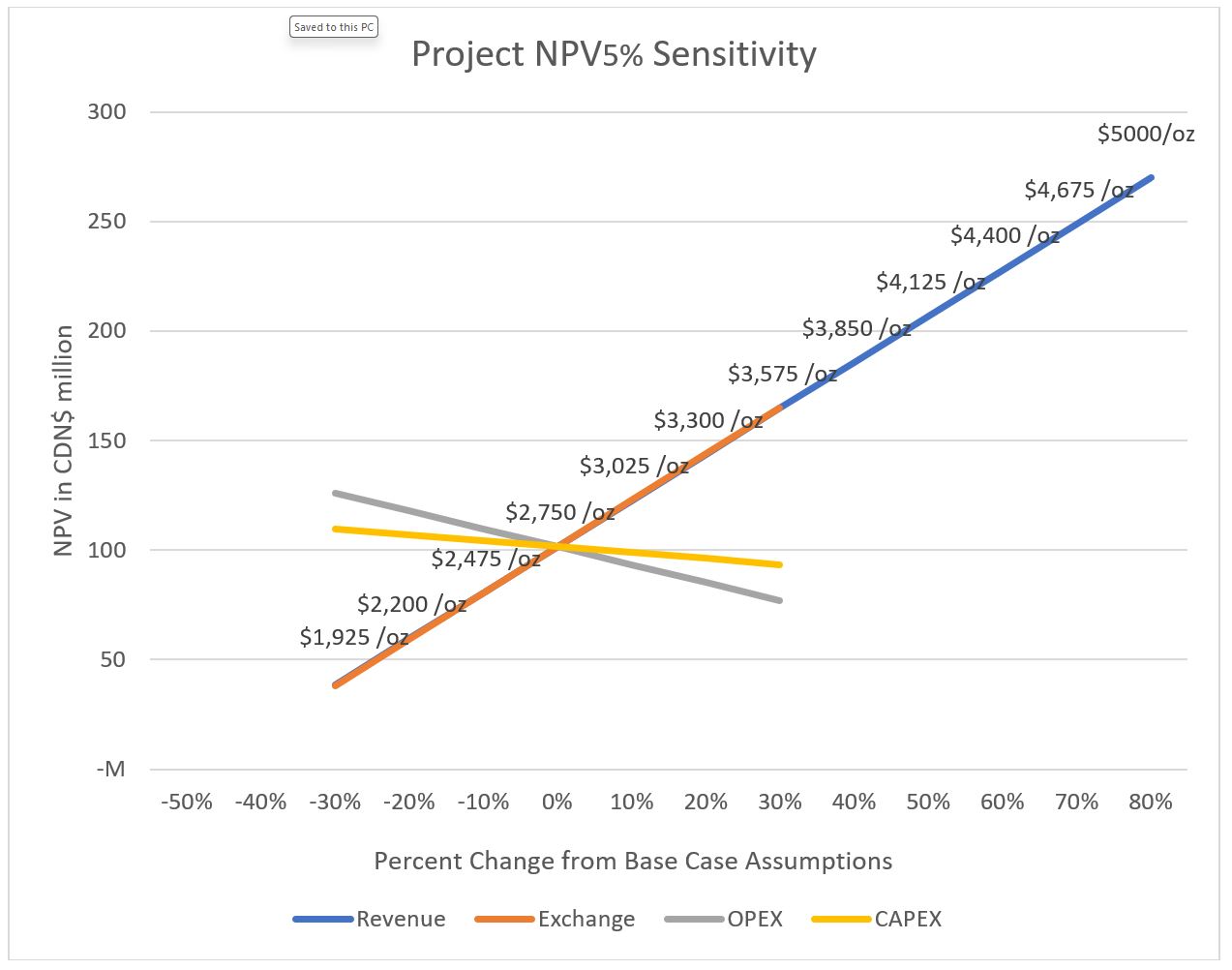
Figure 5: Project NPV Sensitivity
To view an enhanced version of this graphic, please visit:
https://images.newsfilecorp.com/files/6526/286072_figure5.jpg
STRATEGIC PEA RECOMMENDATIONS TO SUPPORT FUTURE INVESTMENT DECISIONS
- Right-Sizing the Beacon Gold Mill to Align with Resource Growth and Regional Opportunities: This could be achieved by (1) increasing the current resource of the Swanson Gold Deposit through additional diamond drilling along strike and at depth (ongoing), and adding other satellite deposits within the Swanson Gold Project currently undergoing exploration drilling programs for inclusion into an updated MRE and PEA, (2) LaFleur Minerals acquiring advanced gold mining projects either on the verge of, or currently permitted for mining, or (3) by advancing a regional hub-and-spoke strategy where other companies supply feed to Beacon Gold Mill in a custom milling scenario.
An additional processing plant circuit should be added that can be designed to meet the size of the additional annual mill feed secured. For example, adding a parallel circuit to process over 3,000 tpd by crushing, grinding, gravity and flotation, to feed the existing cyanidation circuit would incur an estimated capital expense of C$175 million. This circuit would be designed to handle the additional feed beyond the Swanson Gold Deposit and could be used for custom milling (Figures 6 and 7).
- Metallurgy & Beacon Gold Mill Capacity Growth - Work Underway: Metallurgical test work with SGS and Bumigeme, and third-party equipment suppliers is already in progress to support increasing the Beacon Gold Mill throughput to 1,250 tpd, alongside early evaluation of a potential parallel processing flow sheet and additional ore sorting tests of Swanson mineralized material. Consideration should be made on an ad-hoc basis to future growth and how this would integrate with the 1,250 tpd case proposed in the PEA. Discussions are also in progress about the addition of a separate 3,000+ tpd circuit that would allow feed beyond Swanson and potentially for custom milling purposes. These expansion scenarios have not been evaluated in the current PEA and would be subject to separate technical and economic studies.
In addition, LaFleur Minerals is in the final planning stages for an up to 100,000 tonne bulk sample from the Swanson Gold Deposit on the existing mining lease BM 885, with an environmental remediation and closure plan expected to be submitted to the Québec government by mid-2026. The bulk sample would be transported to the Beacon Gold Mill using trucks and is intended for metallurgical and process validation purposes and is not based on a production decision.
Tailings Surface Facility Expansion Planning (Geotechnical, Hydrogeological & Environmental): Environmental baseline work is already advancing, while preparations are underway to launch geotechnical and hydrogeological studies that will support tailings expansion and pit slope design.
CN Railway Planning and Collaboration: Active discussions with CN Rail are underway regarding relocation of the existing rail line and installation of a dedicated spur at the Swanson Gold Deposit and ore discharge at the Beacon Gold Mill, aimed at improving haul efficiency and reducing emissions.
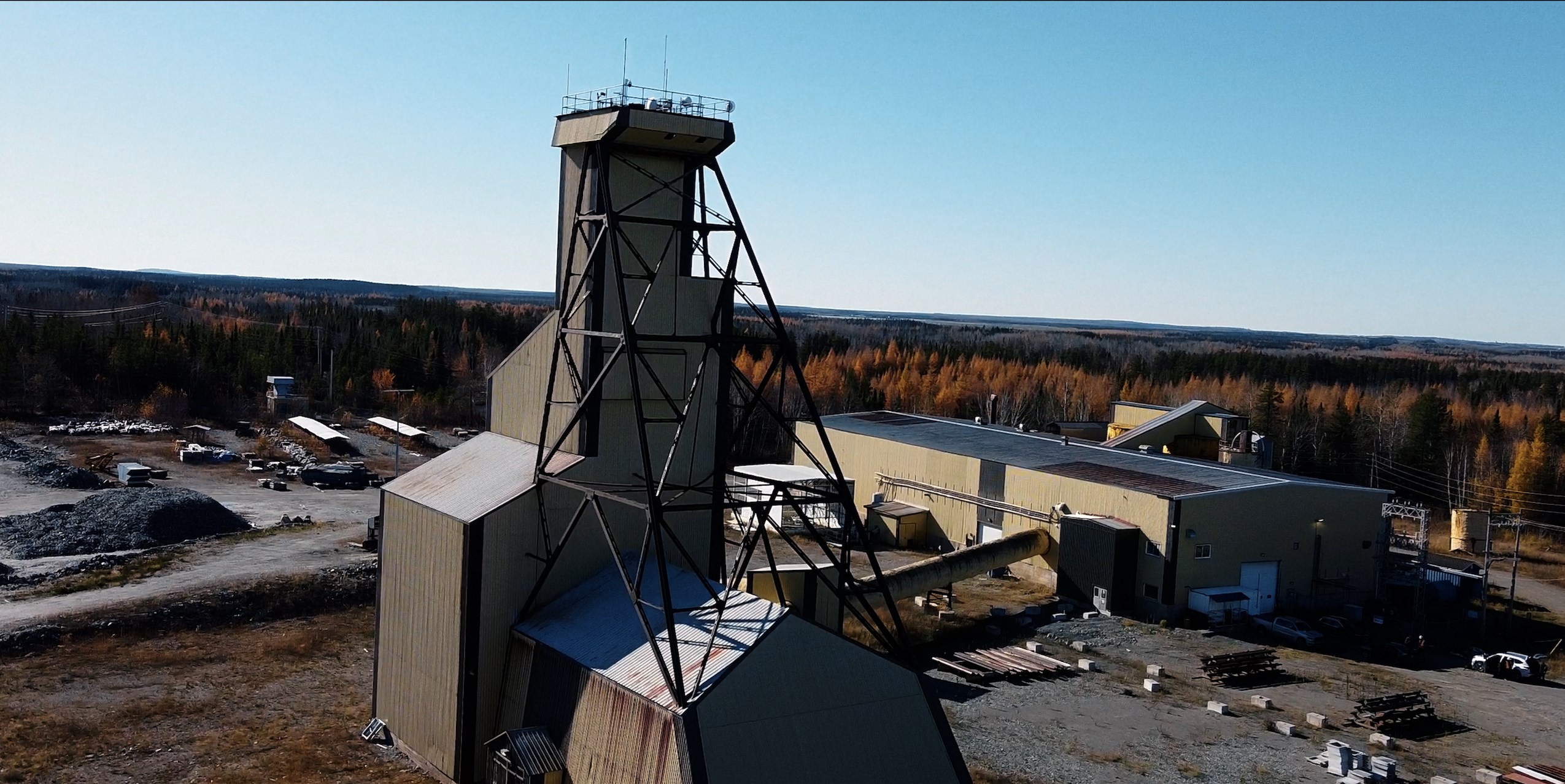
Figure 6: Beacon Gold Mill
To view an enhanced version of this graphic, please visit:
https://images.newsfilecorp.com/files/6526/286072_ac07e496a4634b89_006full.jpg
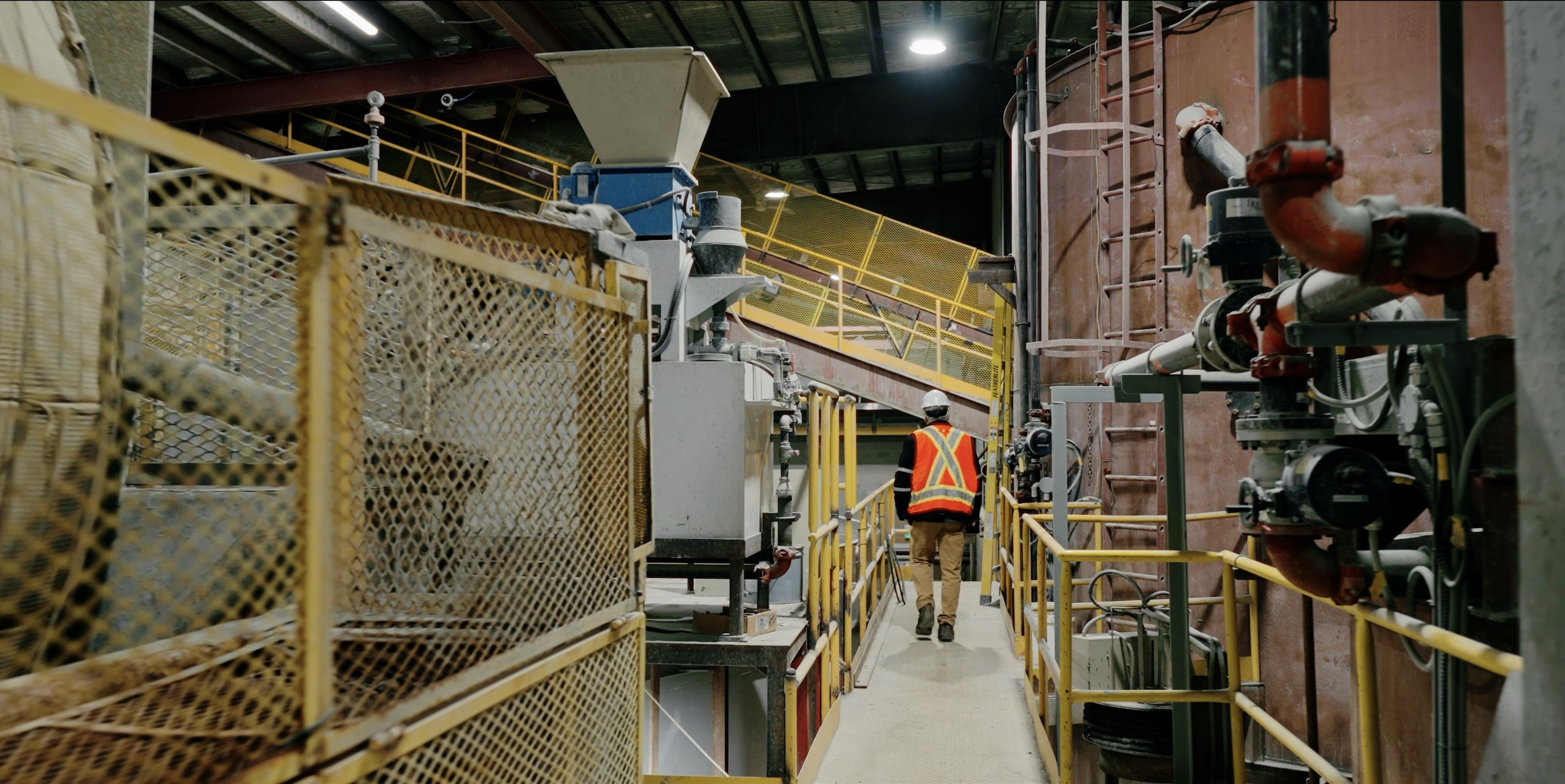
Figure 7: Beacon Gold Mill
To view an enhanced version of this graphic, please visit:
https://images.newsfilecorp.com/files/6526/286072_ac07e496a4634b89_007full.jpg
QUALIFIED PERSON STATEMENT AND DATA VERIFICATION
All scientific and technical information in this news release has been prepared and approved by James Gardner, P.Eng. (OIQ), Principal Consultant, Engineer at ERM and considered an independent Qualified Person (QP) for the purposes of NI 43-101. The scientific and technical information in this news release has also been reviewed and approved by Louis Martin, P.Geo. (OGQ), Exploration Manager and Technical Advisor of the Company and considered a Qualified Person (QP) for the purposes of NI 43-101.
The QP's have verified the sampling, analytical, and test data underlying the MRE and PEA results disclosed in this release by reviewing the Company's QAQC protocols, core and sample logs, metallurgical test results, original assay certificates, and assay database. The QP's noted no sampling or recovery issues with the technical data that would impact the MRE and PEA results disclosed in this news release.
About LaFleur Minerals Inc.
LaFleur Minerals Inc. (CSE: LFLR) (OTCQB: LFLRF) (FSE: 3WK0) is focused on the development of district-scale gold projects in the Abitibi Gold Belt near Val-d'Or, Québec. The Company's mission is to advance mining projects with a laser focus on our PEA-stage Swanson Gold Project and the Beacon Gold Mill, which have significant potential to deliver long-term value. The Swanson Gold Project is approximately 18,304 hectares (183 km2) in size and includes several prospects rich in gold and critical metals previously held by Monarch Mining, Abcourt Mines, and Globex Mining. LaFleur has consolidated a large land package along a major structural break that hosts the Swanson, Bartec, and Jolin gold deposits and several other showings which make up the Swanson Gold Project. The Swanson Gold Project is easily accessible by road allowing direct access to several nearby gold mills, further enhancing its development potential. Lafleur Minerals' recently refurbished Beacon Gold Mill is capable of processing over 750 tonnes per day and is being considered for processing mineralized material from Swanson and for custom milling operations for other nearby gold projects.
ON BEHALF OF LAFLEUR MINERALS INC.
Paul Ténière, M.Sc., P.Geo.
Chief Executive Officer
E: info@lafleurminerals.com
LaFleur Minerals Inc.
1500-1055 West Georgia Street
Vancouver, BC V6E 4N7
Website: www.lafleurminerals.com | LinkedIn | Twitter/X | Instagram
Neither the Canadian Securities Exchange nor its Regulation Services Provider accepts responsibility for the adequacy or accuracy of this news release.
Cautionary Statement Regarding "Forward-Looking" Information
This news release contains "forward-looking information" within the meaning of applicable Canadian securities laws. Forward-looking statements include, but are not limited to, statements regarding the results of the Preliminary Economic Assessment ("PEA") on the Swanson Gold Project, the contemplated refurbishment and restart of the Beacon Gold Mill, projected production rates, mine life, capital and operating costs, economic returns (including NPV and IRR), development timelines, permitting, financing and other economic and technical parameters. Forward-looking statements are generally identified by words such as "expects", "plans", "anticipates", "believes", "intends", "estimates", "projects", "potential", and similar expressions.
The PEA is preliminary in nature and includes Inferred Mineral Resources that are considered too speculative geologically to have economic considerations applied to them that would enable them to be categorized as Mineral Reserves. Mineral Resources that are not Mineral Reserves do not have demonstrated economic viability. There is no certainty that the PEA results will be realized.
Forward-looking statements are based on a number of assumptions, including with respect to Mineral Resource estimates, gold prices, exchange rates, capital and operating costs, metallurgical recoveries, the ability to obtain required approvals, the availability of financing, and the successful refurbishment and operation of the Beacon Gold Mill. Actual results may differ materially due to risks and uncertainties, including those related to resource estimation, cost escalation, commodity price fluctuations, permitting, financing, operational risks and general economic conditions. Readers are cautioned not to place undue reliance on forward-looking statements. Except as required by applicable securities laws, the Company undertakes no obligation to update such statements.
1All in Sustaining Costs (AISC) Summary - World Gold Council
The World Gold Council’s AISC metric captures the cost of sustaining current operations. The PEA estimated at AACE class 4 has included operating costs, site G&A, sustaining capital, project capital including reclamation and remediation, and royalties and Québec production taxes into AISC. As the Project advances into operations, permitting requirements, community‑related commitments, ongoing operational obligations, and sustaining lease payments may become more fully defined and can therefore increase the AISC from early estimates. The AISC excludes income taxes both provincial and federal as well as working‑capital changes except for inventory adjustments on a sales basis; all financing charges other than lease‑related financing; costs related to business combinations, asset acquisitions, or disposals; and one‑time normalizing adjustments such as impairments, major severance costs, or legal settlements.

To view the source version of this press release, please visit https://www.newsfilecorp.com/release/286072
Source: LaFleur Minerals Inc.